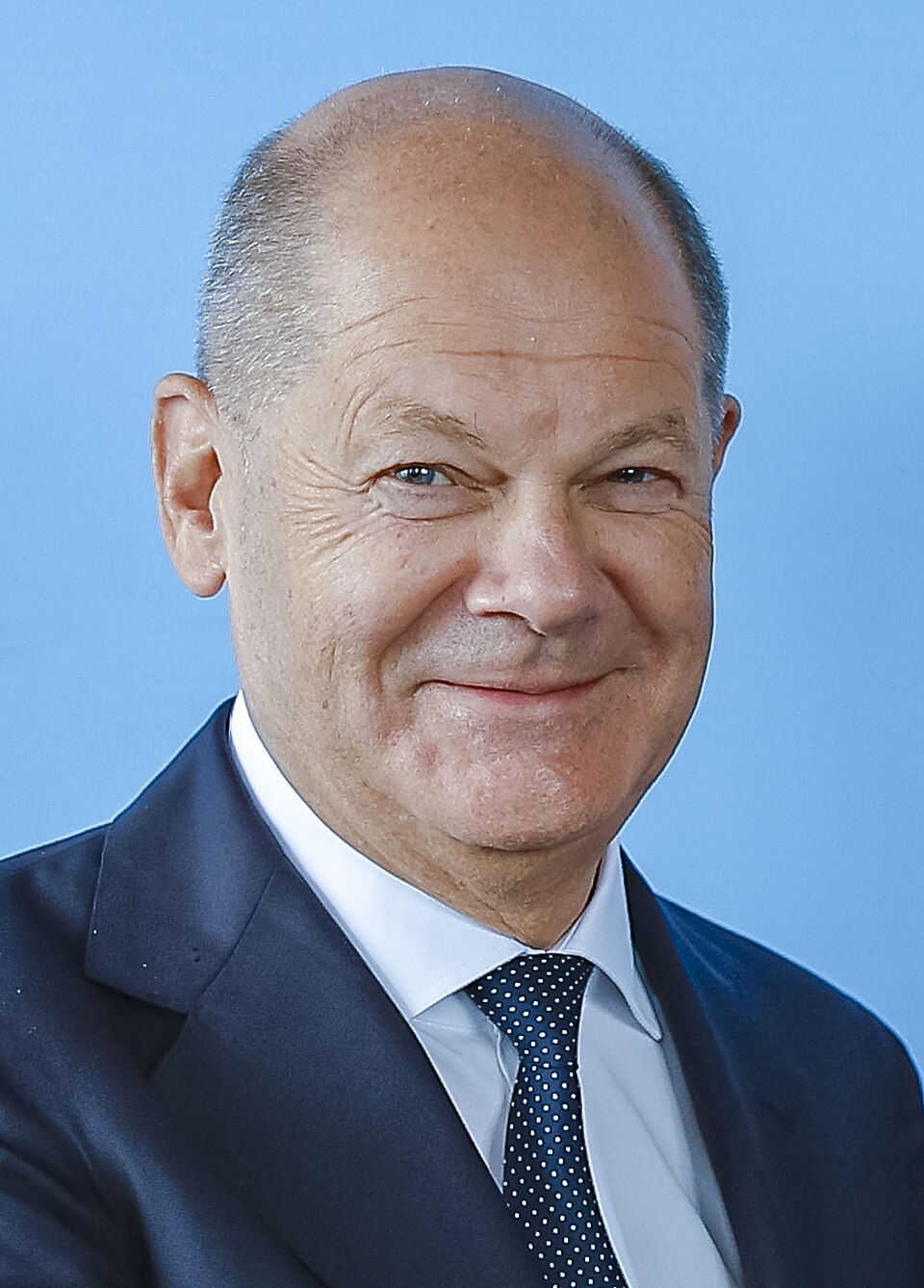
Lars Klingbeil: A Pragmatic Ascent to Germany's Financial Helm
In the dynamic landscape of German politics, certain figures emerge with a blend of steadfast commitment and adaptable vision. Lars Klingbeil, a name increasingly at the forefront of national discourse, embodies this precisely. From his early days as a student activist to his current stature as SPD Co-Chair and the politician reportedly slated to become Germany's Federal Minister of Finance and Vice Chancellor in a prospective grand coalition with the CDU, Klingbeil's trajectory offers a compelling narrative of growth, resilience, and strategic political evolution. Understanding the depth of Lars Klingbeil's Lebenslauf (curriculum vitae) is key to grasping the future direction of German domestic and international policy.
His potential appointment to the pivotal role of Finance Minister, second only to the Chancellor, Friedrich Merz, underscores a significant shift in the power dynamics of German governance. The immediate challenge awaiting him would be to craft the national budget for 2025 and swiftly for 2026—a task of immense complexity that previously saw the collapse of the Ampel (traffic light) coalition. This demands not only economic acumen but also strong leadership and a knack for consensus-building.
Early Life and Formative Political Experiences
Born in Soltau, Lower Saxony, in February 1978 and raised in the nearby small town of Munster, Lars Klingbeil's roots are firmly planted in a region with a strong military presence. His father was a professional soldier, and his mother worked in retail, providing him with a grounded perspective on everyday life and public service. Munster, a significant Bundeswehr (German armed forces) base, played an indelible role in shaping his worldview, particularly his later engagement with defense policy.
After completing his Abitur in 1998, Klingbeil fulfilled his civilian service at the Bahnhofsmission Hannover, a social welfare organization at train stations, offering him early exposure to societal challenges. His academic journey began in 1999 at the University of Hanover, where he pursued studies in Political Science, Sociology, and History, earning his Magister Artium degree in 2004. This interdisciplinary foundation would prove invaluable in navigating complex policy issues.
Klingbeil’s political aspirations surfaced early. He credits his time as a student representative at Gymnasium Munster with teaching him a fundamental lesson: "Back then I learned that you can make a difference if you remain persistent and have good arguments," he states on his website. This early lesson in advocacy and perseverance became a hallmark of his career. During his university years, he gained practical experience working in the constituency office of then-Chancellor Gerhard Schröder, a significant opportunity that offered an inside look into high-level politics. Concurrently, he served on the Munster City Council from 2001 to 2016, deepening his understanding of local governance and community needs. His active role within the Jusos (Young Socialists), where he served as a deputy federal chairman from 2003 to 2007, further cemented his progressive ideals and political network.
A Rapid Ascent Through the SPD Ranks
The trajectory of Lars Klingbeil’s career within the SPD has been marked by a consistent upward climb, demonstrating his effectiveness as a legislator and party strategist. His entry into the Bundestag in 2009 was a significant milestone, followed by his direct election to the constituency seat in 2017. He showcased his strong connection with constituents by securing the best first-vote result for the SPD nationwide in the most recent Bundestag election (February 2025, as per the provided context), a testament to his grassroots appeal and tireless campaigning.
Key moments in his political Lars Klingbeil Lebenslauf include:
- 2017: Collaborated with then-parliamentary group leader Andrea Nahles to draft the SPD's election program, focusing on critical areas such as labor, pensions, and digitalization.
- December 2017: Appointed General Secretary of the SPD, succeeding Hubertus Heil, a role that positioned him at the heart of the party's strategic operations.
- December 2021: Elected Co-Chair of the SPD alongside Saskia Esken, demonstrating the party's trust in his leadership capabilities.
- Following the February 2025 Bundestag election: Assumed the role of parliamentary group leader after the party's performance, indicating a pivotal moment where he stepped up to guide the SPD through challenging times.
His potential appointment as Federal Minister of Finance and Vice Chancellor signifies a culmination of this impressive ascent, placing him in a critical position to influence Germany's economic stability and future direction. For more details on this crucial upcoming role, readers might find Germany's Next Vizekanzler: Lars Klingbeil's Financial Mandate insightful.
Policy Focus and Personal Evolution
Lars Klingbeil’s policy priorities reflect both his pragmatic outlook and a willingness to adapt his perspectives based on evolving global realities. While initially known for his advocacy in digital transformation—a crucial area for Germany's economic competitiveness—his focus expanded significantly to include defense policy and the modernization of military facilities. This emphasis is not coincidental; his hometown of Munster hosts the largest army base and the fourth-largest Bundeswehr location in Germany, making defense issues a personal as well as political concern.
Interestingly, Klingbeil himself refused military service in his youth. However, his stance underwent a profound shift in 2001. That year, marked by the 9/11 attacks, Klingbeil was interning in Washington. He openly states that these events fundamentally altered his view of the armed forces and the necessity of defense. This personal evolution highlights his capacity for critical self-reflection and his readiness to adjust long-held beliefs in the face of new information and global challenges—a valuable trait for any leader navigating complex policy decisions.
Beyond policy, Klingbeil's personal life offers glimpses into the man behind the politician. Since August 2019, he has been married to Lena-Sophie Müller, the Managing Director of Initiative D21, an organization dedicated to promoting the digital society. This connection further underscores his engagement with digitalization. A glimpse into his youth reveals aspirations of becoming a rockstar or professional footballer, passions for music and football that remain a part of his life today. In a podcast, Klingbeil courageously spoke about what he described as the hardest time of his life—an experience with cancer—eleven years after it occurred. This willingness to share deeply personal challenges demonstrates a remarkable resilience and a commitment to transparency, humanizing a figure often seen through the lens of political strategy.
The Future Mandate: Economic Stability and Innovation
As Lars Klingbeil prepares to potentially step into the demanding roles of Federal Minister of Finance and Vice Chancellor, his Lars Klingbeil Lebenslauf positions him as a leader equipped for formidable challenges. The immediate priority—drafting the 2025 and 2026 budgets—is a monumental undertaking. It requires not only fiscal discipline but also a clear vision for investment in future-proof technologies, sustainable development, and social cohesion, all while navigating a complex geopolitical landscape.
His background in local politics, his strategic ascent through the SPD, and his evolving policy perspectives suggest a leader who values both stability and innovation. Klingbeil's ability to build consensus within his party, coupled with his pragmatic approach to complex issues like defense and digitalization, will be crucial. His journey from a local student representative to a potential key figure in national government offers practical insights for aspiring politicians: cultivate strong arguments, remain persistent, and be open to evolving your perspectives in the face of changing realities. These qualities are vital not just for political success, but for effective governance that truly serves the public.
Conclusion
Lars Klingbeil's political path is a testament to persistent dedication, strategic acumen, and a profound capacity for personal and ideological growth. From his childhood in a military town to his significant rise within the SPD, his journey reflects a deep understanding of German society and a pragmatic approach to its challenges. His potential appointment as Germany's Federal Minister of Finance and Vice Chancellor marks a new chapter, placing him at the helm of critical economic decisions that will shape the nation's future. With a track record of adapting to new realities and demonstrating resilience in the face of personal adversity, Klingbeil stands as a formidable and intriguing figure in contemporary German politics, poised to lead with conviction and a forward-looking vision.